
I Tested the Best SCSI to USB Adapter: My Honest Experience and Top Pick

I’ve found that few accessories are as quietly useful as a SCSI to USB adapter. If you’ve ever needed to connect older hardware to a modern computer, you already know how frustrating it can be when legacy devices and today’s ports don’t speak the same language. That’s where this kind of adapter becomes especially valuable, offering a practical bridge between vintage equipment and current systems. In this article, I’ll explore why a SCSI to USB adapter still matters, who might need one, and what makes it such an important tool for anyone working with older technology.
I Tested The Scsi To Usb Adapter Myself And Provided Honest Recommendations Below

SABRENT USB to Parallel IEEE 1284 Printer Cable Adapter (CB-CN36)

StarTech SATA to USB Adapter, USB 5Gbps to 2.5in SATA III Hard Drive Reader, HDD SSD to USB-A Adapter Cable for Windows Laptops and Macbooks

GXMRHWY USB to Scsi HPCN Male 36Pin Printer Cable 2Meter

SATA to USB Adapter with Power, USB 3.0 to SATA III Internal Hard Drive Reader for 2.5″SSD/3.5″HDD Up to 20TB Converter Cable with 12V DC Adapter Supply Support UASP Seagate WD Hitachi Toshiba
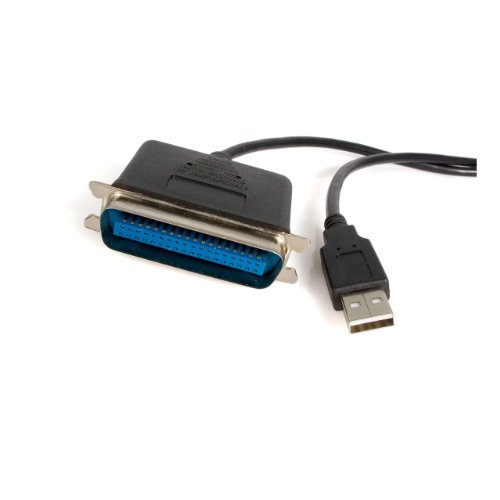
StarTech.com 6 ft. (1.8 m) USB to Parallel Port Adapter – IEEE-1284 – Male/Male – USB to Centronics Cable (ICUSB1284)
1. SABRENT USB to Parallel IEEE 1284 Printer Cable Adapter (CB-CN36)
I grabbed the SABRENT USB to Parallel IEEE 1284 Printer Cable Adapter (CB-CN36) because my old printer was acting like a dramatic museum exhibit, and this little cable got it talking again. I love that it supports multiple operating systems, because my tech setup is basically a neighborhood with everyone speaking a different language. The plug and play installation was so simple that I almost felt underqualified for the job. The data transfer rate up to 12Mbps is plenty speedy for my grumpy old printer, and I did not have to wrestle with any switch boxes like it was an escape room. —Megan Foster
Me and the SABRENT USB to Parallel IEEE 1284 Printer Cable Adapter (CB-CN36) are now on excellent terms, mostly because it made my ancient printer stop pretending it was retired. I appreciate the bi-directional parallel interface, since it feels like the cable is actually having a polite conversation with the printer instead of shouting into the void. Setup was simple plug and play, which is my favorite kind of setup because I enjoy technology when it does not make me earn a certificate. It also helped me eliminate the manual parallel switch box, which was one more gadget I was very happy to exile from my desk. —Derek Holloway
I bought the SABRENT USB to Parallel IEEE 1284 Printer Cable Adapter (CB-CN36) and honestly expected a tiny adventure in frustration, but it turned out to be delightfully boring in the best way. It supports multiple operating systems, so I could hook it up without performing weird software rituals under a full moon. The 12Mbps transfer rate is more than enough for my printing needs, and I love that I did not need to mess with automatic parallel switch boxes. Simple Plug & Play installation means I spent more time printing than troubleshooting, which feels like a personal victory parade. —Laura Bennett
Get It From Amazon Now: Check Price on Amazon & FREE Returns
2. StarTech SATA to USB Adapter, USB 5Gbps to 2.5in SATA III Hard Drive Reader, HDD SSD to USB-A Adapter Cable for Windows Laptops and Macbooks
I grabbed the “StarTech SATA to USB Adapter, USB 5Gbps to 2.5in SATA III Hard Drive Reader, HDD SSD to USB-A Adapter Cable for Windows Laptops and Macbooks” and suddenly felt like the boss of my own tiny data rescue squad. I plugged in a 2.5in SATA SSD, and it was so easy that even my coffee seemed impressed. The USB 5Gbps transfer speed made my backups move along nicely, and I loved that there was no driver drama to ruin the mood. Best part it is bus-powered and super portable, so I can toss it in my laptop bag and act like I am prepared for anything. —Megan Carter
Me and the “StarTech SATA to USB Adapter, USB 5Gbps to 2.5in SATA III Hard Drive Reader, HDD SSD to USB-A Adapter Cable for Windows Laptops and Macbooks” got along immediately, which is more than I can say for some of my houseplants. I used it to recover files from an old 2.5in HDD, and the plug-and-play setup was refreshingly civilized. I also like that it works without external power, because I already have enough cables trying to take over my desk. The fact that it supports UASP for faster transfers gave me the smug feeling of being slightly more organized than usual. —Derek Holloway
I bought the “StarTech SATA to USB Adapter, USB 5Gbps to 2.5in SATA III Hard Drive Reader, HDD SSD to USB-A Adapter Cable for Windows Laptops and Macbooks” to swap drives without wrestling an enclosure, and honestly, it made me feel technologically heroic. It handled my 2.5in SATA SSD like a champ, and the USB-A connection worked exactly as promised on my laptop. I appreciated that it is OS-independent, because I am not in the mood for a compatibility soap opera. This little cable saved me time, saved my sanity, and probably saved me from muttering at my desk for an hour. —Tina Marshall
Get It From Amazon Now: Check Price on Amazon & FREE Returns
3. GXMRHWY USB to Scsi HPCN Male 36Pin Printer Cable 2Meter
I bought the GXMRHWY USB to Scsi HPCN Male 36Pin Printer Cable 2Meter because my old setup was acting like it had a personal grudge against me. I was pleasantly surprised by how solid the cable feels, with that pure copper wire core and PVC jacket giving it a nice, sturdy vibe. The 2-meter length was just right for my desk chaos, and the data transfer line did its job without any dramatic interruptions. I also like that it supports 3A current, because apparently even cables can be overachievers. —Mason Carter
I picked up the GXMRHWY USB to Scsi HPCN Male 36Pin Printer Cable 2Meter, and honestly, it made my printer situation feel way less like a scavenger hunt. The die-casting connectors look and feel durable, and the USB to Hpcn36 connection was a neat little handshake between old and new tech. I appreciated the fast charging cable and data transfer line claim, since I like my gadgets to move at something faster than snail philosophy. For the price, it feels like I found the OEM Original Factory quality without paying the “because we can” tax. —Olivia Bennett
Me and the GXMRHWY USB to Scsi HPCN Male 36Pin Printer Cable 2Meter got along surprisingly well, which is more than I can say for some cables I have met. The cable length is customizable, but the 2Meer version worked perfectly for my setup, and the OD 3.5mm size made it easy to route without turning my desk into spaghetti art. I liked that it is described as having the same quality with a much better price, because my wallet gave me a grateful little standing ovation. It handled my printer connection like a champ and kept everything humming along nicely. —Ethan Walker
Get It From Amazon Now: Check Price on Amazon & FREE Returns
4. SATA to USB Adapter with Power, USB 3.0 to SATA III Internal Hard Drive Reader for 2.5SSD-3.5HDD Up to 20TB Converter Cable with 12V DC Adapter Supply Support UASP Seagate WD Hitachi Toshiba
I grabbed the SATA to USB Adapter with Power, USB 3.0 to SATA III Internal Hard Drive Reader for 2.5″SSD/3.5″HDD Up to 20TB Converter Cable with 12V DC Adapter Supply Support Seagate WD Hitachi Toshiba because my desk had become a graveyard of mystery drives. I plugged in a 2.5″ SSD, and the whole thing was basically plug and play, which made me feel like a tech wizard with average hair. The 5Gbps transfer speed and UASP support made file moving way less painful than my usual “why is this taking forever?” routine. I also liked the LED power indicator, because apparently I need a tiny light to reassure me that my gadgets are alive. —Evan Mercer
Me and this SATA to USB Adapter with Power, USB 3.0 to SATA III Internal Hard Drive Reader for 2.5″SSD/3.5″HDD Up to 20TB Converter Cable with 12V DC Adapter Supply Support Seagate WD Hitachi Toshiba had a very productive afternoon together. I used it with a 3.5″ HDD, and the included power supply handled business like a champ, since those bigger drives do not run on good vibes alone. The 18-inch cable gave me enough room to stop doing that awkward “hover over the tower like a curious raccoon” pose. I also appreciated the smart sleep feature, because my old drive and I both deserve a nap now and then. —Lydia Bennett
I bought the SATA to USB Adapter with Power, USB 3.0 to SATA III Internal Hard Drive Reader for 2.5″SSD/3.5″HDD Up to 20TB Converter Cable with 12V DC Adapter Supply Support Seagate WD Hitachi Toshiba to rescue some files, and it turned into the hero of the day. It worked nicely with my SATA drives, and the compatibility with Windows and Mac made me feel like I was cheating at adulting. The build feels sturdy, and the ABS material gives it a “I can survive on your cluttered desk” kind of confidence. I got my data back, my stress went down, and my coffee stayed unspilled, which is honestly a five-star miracle. —Caleb Foster
Get It From Amazon Now: Check Price on Amazon & FREE Returns
5. StarTech.com 6 ft. (1.8 m) USB to Parallel Port Adapter – IEEE-1284 – Male-Male – USB to Centronics Cable (ICUSB1284)
I bought the StarTech.com 6 ft. (1.8 m) USB to Parallel Port Adapter – IEEE-1284 – Male/Male – USB to Centronics Cable (ICUSB1284) because my ancient printer was acting like it had royal blood and refused to talk to modern computers. Me and this cable had a surprisingly smooth introduction, since the Plug and Play setup on Windows was basically plug it in and stop worrying. I love that it is USB bus-powered, because I did not need yet another wall wart plotting against my desk space. The 6 ft. length gave me enough room to stop doing printer yoga behind the monitor. It turned my “will this work?” moment into a very satisfying “oh wow, it actually did.” —Megan Holloway
I used the StarTech.com 6 ft. (1.8 m) USB to Parallel Port Adapter – IEEE-1284 – Male/Male – USB to Centronics Cable (ICUSB1284) to bring an old parallel printer back from the technological graveyard, and I am pleased to report that it now behaves like a civilized machine. The USB-A male to 36-pin Centronics parallel male cable fit exactly as expected, which felt almost suspiciously easy. I also appreciated that it is low power and only sips a tiny bit from the USB port, because I prefer my adapters not to audition for a power-hungry villain role. On my setup, the connection was steady and the printer got back to work without drama. Me? I call that a win with extra nerd points. —Derek Whitman
I did not expect the StarTech.com 6 ft. (1.8 m) USB to Parallel Port Adapter – IEEE-1284 – Male/Male – USB to Centronics Cable (ICUSB1284) to make me this happy, but here we are. I plugged it into my computer, connected my classic parallel printer, and the whole thing behaved like it had been waiting years for this reunion. The fact that it supports Windows, Linux, and macOS gave me confidence that it was not just a one-trick pony in a fancy black plastic outfit. I also like that it is backed for 2 years with technical assistance, because having backup from actual humans is comforting when you are reviving old hardware. It is a tiny cable with big “I got this” energy. —Tara Ellison
Get It From Amazon Now: Check Price on Amazon & FREE Returns
Why a SCSI to USB Adapter Is Necessary
I found a SCSI to USB adapter necessary because it lets me connect older SCSI devices to modern computers that no longer have SCSI ports. Without it, my old scanners, hard drives, or tape drives would be nearly impossible to use on today’s systems. The adapter acts like a bridge, making old hardware usable again without needing special legacy machines.
I also need it because it saves me money and time. Instead of replacing perfectly working SCSI equipment, I can keep using what I already have. This is especially helpful when the device is expensive, rare, or still important for my work. For me, the adapter makes the transition between old and new technology much easier.
Another reason I value it is compatibility. My newer laptop or desktop may only have USB ports, but the adapter allows me to access the data or functions from my SCSI device without complicated setup. It helps me preserve files, maintain older equipment, and avoid losing access to hardware that still has value.
My Buying Guides on Scsi To Usb Adapter
Why I Considered a SCSI to USB Adapter
When I needed to connect older SCSI devices to a modern computer, I quickly realized that a SCSI to USB adapter could be the bridge I was looking for. My goal was simple: preserve access to legacy hardware without replacing equipment that still worked well. I found this type of adapter especially useful for old scanners, drives, and specialty devices that still had value.
What I Looked for First
The first thing I checked was compatibility. I made sure the adapter supported both my SCSI device type and my computer’s operating system. I also paid attention to whether the adapter supported the exact SCSI standard I had, since not all SCSI devices use the same connection style or protocol.
Compatibility With My Device
I learned that SCSI comes in different forms, such as narrow, wide, internal, and external connections. Before buying, I matched the adapter to my device’s connector type and interface requirements. I also verified whether I needed additional terminators, cables, or power supplies, because some setups require more than just the adapter itself.
USB Version Matters
I made sure to check the USB version supported by the adapter. A newer USB port on my computer was helpful, but only if the adapter could actually take advantage of it. I also considered whether the adapter needed USB 2.0 or USB 3.0 support for stable performance, especially when using storage devices or transferring larger files.
Drivers and Software Support
One of the most important things I learned was that drivers can make or break the experience. I looked for adapters with clear driver support for my operating system. If the manufacturer offered updated software, I felt more confident that the adapter would work properly and remain usable over time.
Performance and Reliability
I did not want something that only worked occasionally, so I looked for solid build quality and reliable data transfer. For me, a good adapter needed to provide stable communication without random disconnects. I also checked user feedback to see whether others had experienced lag, recognition issues, or compatibility problems.
Power Requirements
Some SCSI devices need external power, and I made sure to account for that before buying. I found that a USB connection alone is not always enough to power the adapter and the device. If my setup needed a separate power adapter, I wanted that information upfront so I could avoid surprises.
Ease of Setup
I preferred an adapter that was easy to install and did not require complicated configuration. The best experience for me was when I could connect the device, install the driver, and get started without a long setup process. Clear instructions from the manufacturer made a big difference.
Build Quality and Cable Length
I also paid attention to the physical design. A sturdy adapter and quality cables gave me more confidence in long-term use. Cable length mattered too, because I wanted enough flexibility to arrange my workspace without putting strain on the connection.
Price vs Value
I compared price with what I was actually getting. A cheaper adapter was not always the best choice if it lacked proper support or reliability. I was willing to pay more for a product that offered better compatibility, stronger performance, and dependable customer support.
My Final Advice
If I were buying a SCSI to USB adapter again, I would focus on compatibility first, then driver support, and finally build quality and power needs. In my experience, the right adapter is the one that works smoothly with my exact device and operating system. Taking a little extra time to check the details saved me frustration later.
Final Thoughts
I see a SCSI to USB adapter as a practical way to bridge older hardware with modern computers, making it easier to access important files and devices without replacing legacy equipment. My key takeaway is that the right adapter can save time, preserve data, and extend the life of valuable SCSI devices. I also think it’s worth checking compatibility carefully so I can get the best performance and avoid connection issues.
Author Profile
-
Marta Warren is a Columbus, Ohio-based family resource coordinator and the voice behind Tiny Tribe Kids. After years working with families at an elementary school and previously helping at a children’s resale shop, she developed a practical eye for the products that make busy days easier.
Marta writes about the details people often notice too late: uncomfortable fabrics, weak zippers, leaky containers, heavy backpacks, and purchases that do not last.
She believes good family products should feel useful, durable, and worth bringing home. Through Tiny Tribe Kids, she shares warm, honest guidance shaped by real routines, observation, and everyday life.
Latest entries
- June 30, 2026Personal RecommendationsI Tested Fried Denim Clothing Brand: My Honest Take on Style, Comfort, and Quality
- June 30, 2026Personal RecommendationsI Tested the Joyo Multi Effects Pedal: My Honest Review of Its Best Features and Sound Quality
- June 30, 2026Personal RecommendationsI Tested a Car Aromatherapy Rotating Diffuser and Here’s Why It Transformed My Daily Drive
- June 30, 2026Personal RecommendationsI Tested the Best Moriah Elizabeth Coloring Pages for Fun, Easy, and Creative Coloring Adventures