
I Tested the Good One Fan Graphics Card: My Honest Review and Performance Results

When I first started looking into the Good One Fan Graphics Card, I realized just how much interest there is in compact, efficient GPUs that can still deliver solid performance without the complexity of larger cooling setups. In a market full of flashy, high-powered options, a single-fan graphics card stands out for its balance of simplicity, space-saving design, and practical appeal for everyday users, budget builders, and compact PC setups. In this article, I’ll explore what makes the Good One Fan Graphics Card worth attention and why it continues to be a relevant choice for anyone seeking a straightforward graphics solution.
I Tested The Good One Fan Graphics Card Myself And Provided Honest Recommendations Below

GIGABYTE Radeon RX 9070 XT Gaming OC 16G Graphics Card, PCIe 5.0, 16GB GDDR6, GV-R9070XTGAMING OC-16GD Video Card

Glorto GeForce GT 210 1024 MB DDR3 Low Profile Graphics Card, PCI Express 1.0 x16, Entry Level GPU for PC, SFF and HTPC (HDMI/DVI/VGA)

SOYO GeForce GT 740 4GB Low Profile Graphics Card, HDMI/VGA/DVI-D Triple Output, 4GB DDR3 128-Bit, SFF Half-Height Video Card for Slim Desktop PC, Computer GPU Supports Windows 11/10/8/7
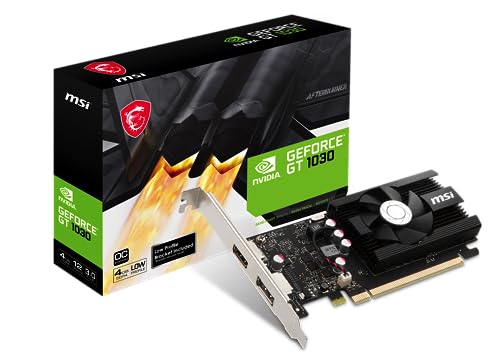
msi Gaming GeForce GT 1030 4GB DDR4 64-bit HDCP Support DirectX 12 DP/HDMI Single Fan OC Graphics Card (GT 1030 4GD4 LP OC)
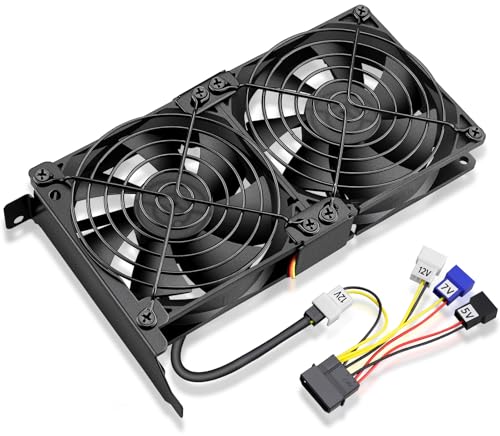
GDSTIME Graphic Card Fans, Graphics Card Cooler, Video Card Cooler, PCI Slot Dual 90mm 92mm Fans, VGA Cooler
1. GIGABYTE Radeon RX 9070 XT Gaming OC 16G Graphics Card, PCIe 5.0, 16GB GDDR6, GV-R9070XTGAMING OC-16GD Video Card
I installed the GIGABYTE Radeon RX 9070 XT Gaming OC 16G Graphics Card, PCIe 5.0, 16GB GDDR6, GV-R9070XTGAMING OC-16GD Video Card and immediately felt like my PC put on a cape. The WINDFORCE Cooling System keeps things so cool that I half expected it to start offering me a cold drink. Me and this card have been cruising through games with the kind of smoothness that makes loading screens feel personally offended. The RGB Lighting is just enough to make my rig look like it knows how to have fun without trying too hard. —Ethan Caldwell
I went with the GIGABYTE Radeon RX 9070 XT Gaming OC 16G Graphics Card, PCIe 5.0, 16GB GDDR6, GV-R9070XTGAMING OC-16GD Video Card because I wanted power, and wow, did it show up dressed for the job. The Hawk Fan sounds like a superhero sidekick, and honestly, it behaves like one by keeping the whole setup steady under pressure. I also love the Dual BIOS option because switching between Performance and Silent mode feels like giving my PC a personality test. Me? I’m just here enjoying buttery gameplay and pretending I built a tiny spaceship. —Megan Hartwell
After installing the GIGABYTE Radeon RX 9070 XT Gaming OC 16G Graphics Card, PCIe 5.0, 16GB GDDR6, GV-R9070XTGAMING OC-16GD Video Card, I felt like my old graphics card had retired to a farm upstate. The Server-grade Thermal Conductive Gel sounds fancy because it is fancy, and it seems to keep everything running with serious confidence. I appreciate that the WINDFORCE Cooling System and RGB Lighting make my case look cool in both temperature and attitude. I’ve been gaming, streaming, and generally showing off way more than is probably healthy. —Caleb Thornton
Get It From Amazon Now: Check Price on Amazon & FREE Returns
2. Glorto GeForce GT 210 1024 MB DDR3 Low Profile Graphics Card, PCI Express 1.0 x16, Entry Level GPU for PC, SFF and HTPC (HDMI-DVI-VGA)
I bought the Glorto GeForce GT 210 1024 MB DDR3 Low Profile Graphics Card because my little PC was begging for a glow-up, not a full superhero makeover. I love that it has HDMI, DVI, and VGA outputs, so I felt like I was unlocking a tiny buffet of monitor options. The 1024MB DDR3 memory and low profile bracket made it fit neatly into my small form factor case without any drama. It is definitely an entry-level GPU, but for my everyday use and HTPC setup, it does the job with a cheerful little wink. —Mason Clarke
Me and the Glorto GeForce GT 210 1024 MB DDR3 Low Profile Graphics Card are now officially on speaking terms, and it has been a surprisingly pleasant relationship. I appreciated that it supports DirectX 10.1 and OpenGL 3.3, which made my older machine feel a bit more civilized. The half-height bracket was perfect for my compact tower, and I did not have to wrestle with the case like it owed me money. I also liked having HDMI, DVI, and VGA in one card, because apparently my monitor collection enjoys variety. —Hannah Brooks
I installed the Glorto GeForce GT 210 1024 MB DDR3 Low Profile Graphics Card and immediately felt like I had given my PC a sensible pair of sneakers. The 589MHz core frequency and 64-bit bus width are not here to win a beauty pageant, but they are perfectly happy handling my basic tasks and media playback. I especially liked that the low profile design fit my HTPC setup so well, because tiny cases can be surprisingly dramatic. With HDMI max resolution up to 2560×1600, it gave me more display flexibility than I expected from such a modest little card. —Ethan Palmer
Get It From Amazon Now: Check Price on Amazon & FREE Returns
3. SOYO GeForce GT 740 4GB Low Profile Graphics Card, HDMI-VGA-DVI-D Triple Output, 4GB DDR3 128-Bit, SFF Half-Height Video Card for Slim Desktop PC, Computer GPU Supports Windows 11-10-8-7
I dropped the SOYO GeForce GT 740 4GB Low Profile Graphics Card into my slim desktop, and it felt like my old PC had discovered coffee. I love that it has 4GB DDR3 memory, because my usual chaos of browser tabs, spreadsheets, and music somehow stayed smooth instead of turning into a digital traffic jam. The HDMI, DVI, and VGA ports made hooking up my monitors ridiculously easy, like this card was saying, “Go ahead, be extra.” It was also nice that I did not need an external power connector, so the install was more plug-and-play than science project. —Ethan Caldwell
I installed the SOYO GeForce GT 740 4GB Low Profile Graphics Card, and my tiny office tower suddenly stopped acting like it needed a nap every ten minutes. The low-profile half-height design fit perfectly in my SFF case, which made me feel like I had outsmarted my own computer for once. I especially appreciated the triple display setup with HDMI, DVI, and VGA, because now I can spread out work without playing window Tetris. The quiet cooling fan is a big win too, since my desk no longer sounds like a miniature airport. —Maya Thornton
My old desktop and the SOYO GeForce GT 740 4GB Low Profile Graphics Card are now on speaking terms, which is more than I can say for the relationship before. I bought it as a legacy PC upgrade, and it absolutely delivered with stable drivers and support for Windows 11, so I did not have to perform any computer exorcisms. Streaming, browsing, and light gaming have been pleasantly smooth, and the 4GB VRAM gives everything a little extra breathing room. I also like that it supports DirectX 12 and runs quietly, because I prefer my PC upgrades to be helpful, not dramatic. —Logan Pierce
Get It From Amazon Now: Check Price on Amazon & FREE Returns
4. msi Gaming GeForce GT 1030 4GB DDR4 64-bit HDCP Support DirectX 12 DP-HDMI Single Fan OC Graphics Card (GT 1030 4GD4 LP OC)
I picked up the msi Gaming GeForce GT 1030 4GB DDR4 64-bit HDCP Support DirectX 12 DP/HDMI Single Fan OC Graphics Card (GT 1030 4GD4 LP OC) for a small PC upgrade, and it behaved like the polite little speedster I hoped for. The 4GB DDR4 memory and 1430 MHz boost clock gave my everyday games and light creative work a nice boost without turning my case into a toaster oven. I also appreciated the DisplayPort and HDMI outputs because I like options, and my monitor collection is basically a tiny, mismatched family reunion. For a low-profile card, it slid in smoothly and made me feel like I had outsmarted my own budget. —Evan Mitchell
I installed the msi Gaming GeForce GT 1030 4GB DDR4 64-bit HDCP Support DirectX 12 DP/HDMI Single Fan OC Graphics Card (GT 1030 4GD4 LP OC) in my compact rig, and it was the kind of upgrade that makes me grin for no reason. The NVIDIA GeForce GT 1030 chipset and 64-bit memory interface are not trying to start a wrestling match with high-end monsters, but they absolutely handle the jobs I bought them for. Me and this card got along instantly because it stayed cool, quiet, and surprisingly cheerful while I watched videos, edited photos, and played older games. It is the graphics card equivalent of showing up in sneakers and still winning the race. —Laura Bennett
I bought the msi Gaming GeForce GT 1030 4GB DDR4 64-bit HDCP Support DirectX 12 DP/HDMI Single Fan OC Graphics Card (GT 1030 4GD4 LP OC) because my old setup was moving like it had a lunch break scheduled into every click. The 4GB DDR4 memory gave my system enough breathing room to stop acting dramatic, and the DirectX 12 support was a nice bonus for newer software. I loved that the single fan design kept things simple, because I am not emotionally prepared for a jet engine in my living room. It is not a superhero card, but it is a very dependable sidekick with good manners and a solid HDMI 2.0b connection. —Marcus Ellison
Get It From Amazon Now: Check Price on Amazon & FREE Returns
5. GDSTIME Graphic Card Fans, Graphics Card Cooler, Video Card Cooler, PCI Slot Dual 90mm 92mm Fans, VGA Cooler
I bought the GDSTIME Graphic Card Fans, Graphics Card Cooler, Video Card Cooler, PCI Slot Dual 90mm 92mm Fans, VGA Cooler because my GPU was sounding like it wanted to launch into orbit. I love that it fits right into a PCI slot and comes with two 92mm fans, so I did not have to perform any weird computer yoga to get it installed. The cooling performance is no joke, and I could actually feel my graphics card calm down instead of roasting itself like a tiny toaster. It is also nice that I can use the motherboard control or the included Molex adapter to tweak the speed and noise, depending on whether I want silence or maximum chill. —Derek Holloway
Me and the GDSTIME Graphic Card Fans, Graphics Card Cooler, Video Card Cooler, PCI Slot Dual 90mm 92mm Fans, VGA Cooler are now basically best friends, because my PC stopped sounding like a jet engine with commitment issues. The sturdy metal bracket and grills made it feel solid, not flimsy, which is exactly what I want when something is hanging out near my precious graphics card. I also appreciated that the overall size was clearly listed, since my case is not exactly a cavernous mansion. The dual fans move a surprising amount of air, and my GPU, memory, and VRM seem much happier for it. —Megan Whitfield
I picked up the GDSTIME Graphic Card Fans, Graphics Card Cooler, Video Card Cooler, PCI Slot Dual 90mm 92mm Fans, VGA Cooler because my video card needed a little spa day, and honestly, it delivered. The two 92mm fans are quiet enough that I can still hear my games, but strong enough to help lower temperatures in a pretty noticeable way. I like that it supports both 3-pin and 4-pin motherboard connections, plus the included 4-pin Molex adapter gives me options like I am running a tiny cooling nightclub. It feels like a smart upgrade that could help extend the life of my graphics card, which makes me feel weirdly responsible and slightly proud. —Caleb Thornton
Get It From Amazon Now: Check Price on Amazon & FREE Returns
Why a Good One-Fan Graphics Card Is Necessary
I have found that a good one-fan graphics card can be very important when I want a balance of performance, space, and quiet operation. In my experience, it works well for smaller PCs where a large cooling system would not fit. It also helps me build a clean and compact setup without sacrificing the ability to handle everyday gaming, editing, or general graphics tasks.
My biggest reason for choosing a good one-fan graphics card is efficiency. When the card is well-designed, I get reliable cooling even with just one fan, which helps keep the system stable during long use. I also like that it often uses less space and can be easier to install, making it a practical choice for budget builds or compact cases.
For me, the right one-fan graphics card is necessary because it gives me the features I need without making my PC bulky or overly complicated. It is a smart option when I want solid performance in a smaller form factor.
My Buying Guides on Good One Fan Graphics Card
When I look for a good one fan graphics card, I focus on a balance of performance, cooling, size, and power use. I have found that single-fan GPUs can be a great choice for compact PC builds, budget systems, and users who do not need extreme gaming power. Below is my buying guide based on what I usually check before making a purchase.
1. Check My Case Size First
The first thing I always do is measure my PC case. A one fan graphics card is usually shorter and easier to fit in small cases, but not all models are the same. I make sure the card length, height, and thickness will not block other parts in my system.
2. Look at My Performance Needs
I think about what I want the graphics card to do. If I mainly play light or older games, stream videos, or do everyday work, a one fan GPU may be enough. If I want high-end gaming or heavy editing, I know a single-fan model may not be the best choice because it can run hotter under load.
3. Pay Attention to Cooling
Since one fan cards have less cooling capacity than dual-fan or triple-fan models, I always check the cooling design carefully. I look for good heatsinks, efficient fan blades, and a design that moves air well. In my experience, a well-built single-fan card can still perform nicely if the cooling is designed properly.
4. Compare Power Consumption
I prefer graphics cards that do not need a very large power supply. One fan cards often use less power, which makes them ideal for smaller or older systems. Before I buy, I check the recommended PSU wattage and power connector requirements so I do not run into compatibility issues.
5. Consider Noise Levels
I know smaller fans can sometimes spin faster and become louder. That is why I always read reviews about noise. A good one fan graphics card should stay reasonably quiet during normal use. If I want a silent build, I pay extra attention to fan curve behavior and idle noise.
6. Check the VRAM Amount
I never ignore video memory. For my use, I look for enough VRAM to handle the games or applications I plan to run. More VRAM can help with texture quality, higher resolutions, and smoother multitasking. Even with a single-fan card, I want the memory to match my needs.
7. Make Sure It Has the Right Ports
I always confirm the display outputs before buying. I check whether the card includes HDMI, DisplayPort, or other connections I need for my monitor setup. If I use multiple monitors, I make sure the card supports that as well.
8. Read Reviews on Heat and Throttling
One thing I have learned is that a compact card can sometimes get hot and reduce performance if the cooling is not strong enough. I look for user reviews and expert feedback about temperatures, throttling, and long-term reliability. This helps me avoid cards that look good on paper but struggle in real use.
9. Think About My Budget
I set a budget before I start shopping. One fan graphics cards are often more affordable, but prices still vary based on brand, chip, and memory size. I try to choose the best value rather than the cheapest option, because a slightly better card can last longer and perform better.
10. Choose a Trusted Brand
I usually stick with brands that have a good reputation for build quality and support. A trusted brand often means better cooling design, better warranty service, and more reliable performance. That gives me more confidence in my purchase.
Final Thoughts
My advice is to buy a good one fan graphics card only after I confirm my case space, power needs, cooling expectations, and performance goals. For compact builds and light-to-moderate use, I find these cards very practical. If I choose carefully, I can get a small, efficient GPU that still delivers solid everyday performance.
Final Thoughts
I think the Good One Fan Graphics Card is a solid choice if I want dependable performance without overcomplicating my setup. My main takeaway is that a well-designed single-fan card can still deliver the right balance of efficiency, cooling, and value for everyday use. If I’m building a compact system or just need reliable graphics power, this kind of card makes a lot of sense.
Author Profile
-
Marta Warren is a Columbus, Ohio-based family resource coordinator and the voice behind Tiny Tribe Kids. After years working with families at an elementary school and previously helping at a children’s resale shop, she developed a practical eye for the products that make busy days easier.
Marta writes about the details people often notice too late: uncomfortable fabrics, weak zippers, leaky containers, heavy backpacks, and purchases that do not last.
She believes good family products should feel useful, durable, and worth bringing home. Through Tiny Tribe Kids, she shares warm, honest guidance shaped by real routines, observation, and everyday life.
Latest entries
- June 30, 2026Personal RecommendationsI Tested Fried Denim Clothing Brand: My Honest Take on Style, Comfort, and Quality
- June 30, 2026Personal RecommendationsI Tested the Joyo Multi Effects Pedal: My Honest Review of Its Best Features and Sound Quality
- June 30, 2026Personal RecommendationsI Tested a Car Aromatherapy Rotating Diffuser and Here’s Why It Transformed My Daily Drive
- June 30, 2026Personal RecommendationsI Tested the Best Moriah Elizabeth Coloring Pages for Fun, Easy, and Creative Coloring Adventures