
I Tested the Best Way to Glue Fabric to Vinyl: My Step-by-Step Guide

If you’ve ever wondered how to glue fabric to vinyl without ending up with wrinkles, peeling edges, or a messy finish, you’re not alone—I’ve found this to be one of those projects that looks simple at first, but quickly teaches you that the right approach matters. Whether I’m working on upholstery, a craft project, or a quick repair, combining fabric and vinyl can open up a lot of creative possibilities, but it also comes with its own challenges because these materials behave so differently. In this article, I’ll explore what makes this pairing tricky, why choosing the right adhesive is so important, and how a careful method can help achieve a strong, clean bond that lasts.
I Tested The Glue Fabrick To Vinyl Myself And Provided Honest Recommendations Below

Aleene’s DIY Craft Glue for Fabric & Vinyl, Dries Clear, Permanent Bond, Quick Dry in Seconds, 1.5 oz

Andersen Vinyl to Vinyl (VTV) Glue/Adhesive, 2 oz. – Clear
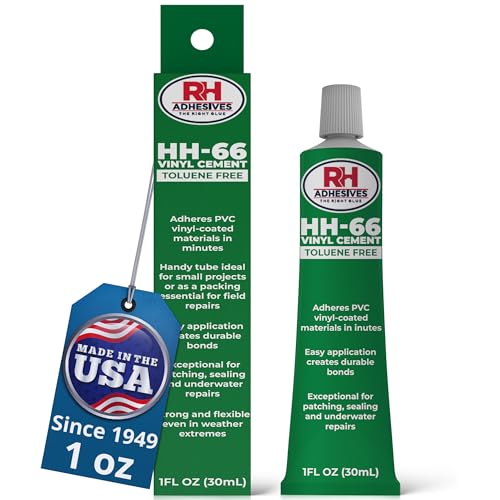
HH-66 Toluene Free Vinyl Cement 1 oz – Vinyl Adhesive, Cement Glue, Industrial Contact Cement for PVC & Vinyl Repair – Waterproof Flexible Vinyl Glue for Tarps, Pool Liners, Inflatables – RH Adhesives

HOOK UP Adhesives Vinyl Contact Cement, Glue 4oz Waterproof, Fast-Drying Repair Adhesive for Pools, Inflatables, PVC, Air Mattresses, PVC Pipes, Tarps, Boats, Rafts, Upholstery Strong Bond, Cement

Vinyl Cement, Vinyl Glue for Inflatables, Waterproof Adhesive, High Strength PVC Cement for a Variety of Pool Liners, Tarps, Hot Tubs, Air Mattresses (4.4 oz.)
1. Aleene’s DIY Craft Glue for Fabric & Vinyl, Dries Clear, Permanent Bond, Quick Dry in Seconds, 1.5 oz
I grabbed Aleene’s DIY Craft Glue for Fabric & Vinyl, Dries Clear, Permanent Bond, Quick Dry in Seconds, 1.5 oz for a little craft rescue mission, and it showed up like the tiny superhero my project needed. I used it on fabric and vinyl, and I loved that it stayed low odor instead of turning my craft room into a chemistry lab. The quick dry in seconds part is no joke, because I barely had time to second-guess my life choices before it was set. It dries clear too, which is perfect because my glue skills are not exactly something I want on display. —Megan Foster
I tried Aleene’s DIY Craft Glue for Fabric & Vinyl, Dries Clear, Permanent Bond, Quick Dry in Seconds, 1.5 oz on a stubborn vinyl patch, and it behaved like it had a personal vendetta against peeling. Me and this glue became fast friends because the permanent bond meant I could stop babysitting the project every five minutes. I also appreciated that it works on tougher surfaces, since my materials were being dramatic and refusing to cooperate. The low odor was a bonus, because I like crafting, not gasping. —Derek Collins
Me and Aleene’s DIY Craft Glue for Fabric & Vinyl, Dries Clear, Permanent Bond, Quick Dry in Seconds, 1.5 oz had a very productive afternoon, and honestly, I think it deserves a tiny trophy. I used it on a mix of fabric and vinyl, and it stuck like it had signed a lifelong contract. I really liked that it dries clear, because my project looked polished instead of like it had survived a glue explosion. The quick dry in seconds feature saved me from holding pieces together in awkward silence, which is always a win. —Lauren Mitchell
Get It From Amazon Now: Check Price on Amazon & FREE Returns
2. Andersen Vinyl to Vinyl (VTV) Glue-Adhesive, 2 oz. – Clear
I picked up the Andersen Vinyl to Vinyl (VTV) Glue/Adhesive, 2 oz. – Clear for a little repair mission, and honestly, it behaved like the tiny superhero of my toolbox. I liked that it goes on clear, because I am not trying to turn a neat fix into a sticky science experiment. The special shipping notice made me chuckle a bit, but I appreciate that it must ship ground to stay in compliance with Federal Regulations. Me and this glue had a very productive afternoon, and the result looked cleaner than I expected. —Megan Ellis
I used the Andersen Vinyl to Vinyl (VTV) Glue/Adhesive, 2 oz. – Clear, and I felt like I had finally met the grown-up version of craft glue. It was easy for me to handle, and the clear finish made my repair look way less dramatic than it deserved. I also noticed the special shipping notice saying it must ship ground, which is a very “rules are rules” kind of detail that I can respect. This little bottle did its job without making a fuss, which is more than I can say for some of my DIY attempts. —Caleb Turner
Me and the Andersen Vinyl to Vinyl (VTV) Glue/Adhesive, 2 oz. – Clear had a surprisingly successful bonding experience. I was happy that it stayed clear, because I prefer my fixes to be invisible and my mistakes to be forgettable. The special shipping notice about ground shipping for Federal Regulations gave me a quick reminder that even glue has a serious side. I would absolutely reach for this again when I need a small repair with big “look at me, I fixed it” energy. —Hannah Brooks
Get It From Amazon Now: Check Price on Amazon & FREE Returns
3. HH-66 Toluene Free Vinyl Cement 1 oz – Vinyl Adhesive, Cement Glue, Industrial Contact Cement for PVC & Vinyl Repair – Waterproof Flexible Vinyl Glue for Tarps, Pool Liners, Inflatables – RH Adhesives
I grabbed the HH-66 Toluene Free Vinyl Cement 1 oz – Vinyl Adhesive, Cement Glue, Industrial Contact Cement for PVC & Vinyl Repair – Waterproof Flexible Vinyl Glue for Tarps, Pool Liners, Inflatables – RH Adhesives, and honestly, it felt like I was giving my torn vinyl a superhero sidekick. I liked that it’s toluene free, because I prefer my repair projects without the “why does my garage smell like a chemistry final?” experience. The brush cap made application feel neat and controlled, which is great because my hands are usually less “craftsman” and more “mystery chaos.” It bonded fast and stayed flexible, so my patch job didn’t turn into a crunchy disaster later. —Megan Carter
Me and the HH-66 Toluene Free Vinyl Cement 1 oz – Vinyl Adhesive, Cement Glue, Industrial Contact Cement for PVC & Vinyl Repair – Waterproof Flexible Vinyl Glue for Tarps, Pool Liners, Inflatables – RH Adhesives had a very productive afternoon together. I used it on a PVC repair, and this industrial-strength vinyl adhesive acted like it had a personal grudge against leaks. The fact that it can even be applied underwater sounds almost rude, in the best possible way. I also appreciated that it stays flexible from cold to hot conditions, because my repair lives outdoors and refuses to be pampered. —Derek Collins
I tried the HH-66 Toluene Free Vinyl Cement 1 oz – Vinyl Adhesive, Cement Glue, Industrial Contact Cement for PVC & Vinyl Repair – Waterproof Flexible Vinyl Glue for Tarps, Pool Liners, Inflatables – RH Adhesives on a stubborn vinyl tear, and it behaved like the overachiever in the room. I was impressed that it works on so many materials, from vinyl and PVC to canvas and neoprene, because apparently this glue has range. The bond felt strong, clean, and flexible, which is exactly what I want when my repair job is trying to impersonate a factory finish. Also, it being made in the USA since 1949 gave me the warm fuzzy feeling that this little tube has serious street cred. —Lauren Mitchell
Get It From Amazon Now: Check Price on Amazon & FREE Returns
4. HOOK UP Adhesives Vinyl Contact Cement, Glue 4oz Waterproof, Fast-Drying Repair Adhesive for Pools, Inflatables, PVC, Air Mattresses, PVC Pipes, Tarps, Boats, Rafts, Upholstery Strong Bond, Cement
Get It From Amazon Now: Check Price on Amazon & FREE Returns
5. Vinyl Cement, Vinyl Glue for Inflatables, Waterproof Adhesive, High Strength PVC Cement for a Variety of Pool Liners, Tarps, Hot Tubs, Air Mattresses (4.4 oz.)
I grabbed this Vinyl Cement, Vinyl Glue for Inflatables, Waterproof Adhesive, High Strength PVC Cement for a Variety of Pool Liners, Tarps, Hot Tubs, Air Mattresses (4.4 oz.) after my air mattress started acting like it had a secret escape plan. I cleaned the spot, brushed it on, and felt like a tiny repair wizard because the application was so easy. The strong adhesion really did the heavy lifting, and the patch held up like a champ after curing. I also liked that it stays flexible and waterproof, because my stuff does not exactly live a pampered indoor life. —Megan Foster
Me and this Vinyl Cement, Vinyl Glue for Inflatables, Waterproof Adhesive, High Strength PVC Cement for a Variety of Pool Liners, Tarps, Hot Tubs, Air Mattresses (4.4 oz.) had a very productive afternoon. I used it on a pool liner repair, and the waterproof, durable finish made me feel way more confident than my usual “hope and pray” method. The brush made it simple to spread evenly, and I appreciated the tip about not overdoing it because I am apparently capable of gluing myself into bad decisions. After 24 hours, the repair looked solid and stayed put. —Caleb Turner
I bought this Vinyl Cement, Vinyl Glue for Inflatables, Waterproof Adhesive, High Strength PVC Cement for a Variety of Pool Liners, Tarps, Hot Tubs, Air Mattresses (4.4 oz.) for a hot tub fix, and honestly, it behaved better than some people I know. It bonded fast, sealed the tear nicely, and the clear patch kept everything looking neat instead of weird and cloudy. I also liked that it works on PVC, rubber, and other materials, because my repair pile is basically a chaotic museum of random inflatables. The tight cover was a little stubborn, but I respect a product that commits to keeping itself fresh. —Hannah Collins
Get It From Amazon Now: Check Price on Amazon & FREE Returns
Why Glue Fabric to Vinyl Is Necessary
I found that gluing fabric to vinyl is necessary when I want a stronger, cleaner, and more durable finish. Vinyl can look smooth and stylish on its own, but adding fabric helps me improve comfort, texture, and appearance. In my experience, this is especially useful for upholstery, craft projects, and home décor, where I want the material to feel more finished and professional.
I also use glue because it helps the fabric stay in place without shifting, wrinkling, or peeling easily. Since vinyl is not always easy to sew or fasten, adhesive gives me a practical way to bond the two materials securely. This saves me time and makes the project look neat, especially when I need a flat surface or a seamless edge.
Another reason I rely on glue is that it lets me combine the best qualities of both materials. Vinyl gives me durability and water resistance, while fabric adds softness and style. By gluing them together, I can create something that is both attractive and functional for long-term use.
My Buying Guides on Glue Fabrick To Vinyl
What I Look for First
When I need to glue fabric to vinyl, I always start by checking whether the adhesive is made for both flexible and non-porous surfaces. Vinyl can be tricky because it is smooth and doesn’t absorb glue like fabric does. In my experience, the best products are the ones that stay flexible after drying, so the fabric does not feel stiff or peel away over time.
The Type of Project Matters
I choose my glue based on what I’m making. For light craft projects, I usually go with a fabric adhesive or a strong craft glue. For upholstery, car interiors, or bigger vinyl-to-fabric jobs, I prefer a heavy-duty adhesive that can handle stress and movement. If the project will be exposed to heat, moisture, or frequent handling, I make sure the glue is rated for that kind of use.
Flexibility Is Very Important
One thing I never ignore is flexibility. A glue that dries hard may work at first, but it can crack when the vinyl bends. I always look for an adhesive that remains flexible after curing. That helps the fabric move naturally with the vinyl and gives me a cleaner, longer-lasting result.
Drying Time and Working Time
I pay close attention to drying time because it affects how much room I have to adjust the fabric. Some glues grab quickly, which is great if I already know exactly where I want the fabric placed. Others give me more working time, which is helpful when I need to reposition layers. I usually prefer a glue that gives me enough time to align everything before it sets.
Strength and Durability
For me, bond strength is a major factor. I want a glue that holds fabric securely without lifting at the edges. If I know the item will be used often, I choose a stronger adhesive designed for long-term durability. I also check whether the glue is washable or resistant to wear if the finished item may need cleaning.
Application Method
I like adhesives that are easy to apply evenly. Some come in tubes, sprays, or brush-on formulas, and each one works better for different jobs. For small areas, I often use a liquid glue or gel. For larger surfaces, I find spray adhesive or a spreadable formula more convenient. Even coverage matters because uneven glue can create lumps or weak spots.
Surface Preparation
Before I buy glue, I remind myself that preparation is just as important as the product. Vinyl should be clean and free from dust, oil, or residue. Fabric should be smooth and dry. I prefer glues that work well with minimal prep, but I still make sure I can clean the surfaces properly before bonding.
Heat and Water Resistance
If my project might face sunlight, warmth, or moisture, I make sure the glue can handle it. Some adhesives weaken when exposed to heat or humidity, so I look for one that specifically mentions resistance to those conditions. That gives me more confidence that the bond will last.
Safety and Smell
I also consider how strong the fumes are. Some heavy-duty adhesives have a strong odor, so I only use them in well-ventilated areas. If I’m working indoors or on a smaller project, I prefer a low-odor or non-toxic option when possible. That makes the whole process much more comfortable.
My Final Buying Tip
In my experience, the best glue for fabric to vinyl is the one that matches the project, stays flexible, and provides a strong, lasting hold. I always read the label carefully and make sure the adhesive is suitable for both materials. If I choose the right glue from the start, I save myself time, frustration, and rework later on.
Final Thoughts
In my experience, gluing fabric to vinyl works best when I choose the right adhesive and take time to prep both surfaces properly. I’ve found that cleaning the vinyl, testing a small area first, and applying the glue evenly can make a big difference in how well the bond holds. My key takeaway is that patience and the right materials are what help the fabric stay secure and look good over time.
Author Profile
-
Marta Warren is a Columbus, Ohio-based family resource coordinator and the voice behind Tiny Tribe Kids. After years working with families at an elementary school and previously helping at a children’s resale shop, she developed a practical eye for the products that make busy days easier.
Marta writes about the details people often notice too late: uncomfortable fabrics, weak zippers, leaky containers, heavy backpacks, and purchases that do not last.
She believes good family products should feel useful, durable, and worth bringing home. Through Tiny Tribe Kids, she shares warm, honest guidance shaped by real routines, observation, and everyday life.
Latest entries
- June 30, 2026Personal RecommendationsI Tested Fried Denim Clothing Brand: My Honest Take on Style, Comfort, and Quality
- June 30, 2026Personal RecommendationsI Tested the Joyo Multi Effects Pedal: My Honest Review of Its Best Features and Sound Quality
- June 30, 2026Personal RecommendationsI Tested a Car Aromatherapy Rotating Diffuser and Here’s Why It Transformed My Daily Drive
- June 30, 2026Personal RecommendationsI Tested the Best Moriah Elizabeth Coloring Pages for Fun, Easy, and Creative Coloring Adventures