
I Tested the 120 Film Copy Station: The Best Way to Digitize Medium Format Negatives Fast

I’ve always been fascinated by the quiet precision behind film photography, and the 120 Film Copy Station sits right at the heart of that craft. Whether I’m looking to preserve delicate negatives, create faithful reproductions, or better understand the workflow behind medium-format film handling, this tool represents a blend of practicality and artistry that continues to matter in both traditional and modern imaging spaces.
I Tested The 120 Film Copy Station Myself And Provided Honest Recommendations Below

Ilford HP5 Plus Black and White Negative Film ISO 400 (120 Roll Film) 2-Pack
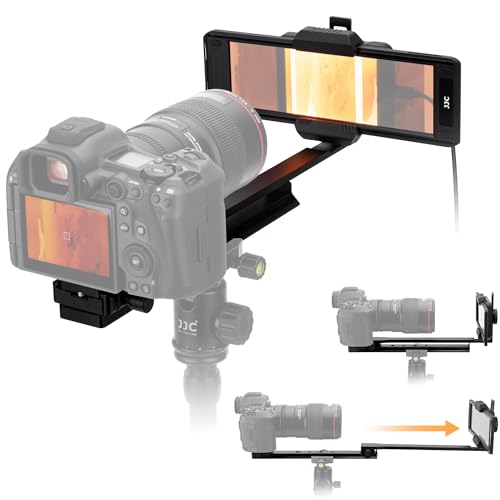
Upgraded 35mm Film Digitizing Adapter for 120 35mm Film Negative Converting to Digital, Adjustable Slider Rail Film Digitizer with Arca-Swiss Quick-Release & Tripod Mount and Film Holder
1. Kodak 120 Portra 400 Film
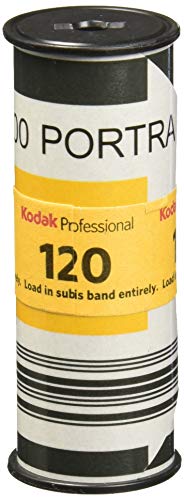
I loaded up Kodak 120 Portra 400 Film and felt like I had given my camera a tiny passport to cooler places. I loved how the world’s finest grain kept my shots looking smooth instead of crunchy, even when I got a little too enthusiastic with the zoom. The colors came back with beautiful, natural skin tones and superb color reproduction, which made my friends look like actual humans instead of confused oranges. Me and this film get along very well because it is fast, forgiving, and oddly flattering. —Megan Hart
Kodak 120 Portra 400 Film made me feel like I had secretly hired a very polite photo wizard. I was especially impressed by the optimized sharpness and distinct edges, because even my shaky, caffeine-powered shots looked surprisingly crisp. It is also ideal for scanning with extraordinary enlargement capability, so I could blow up my favorite frame without it turning into a pixel soup disaster. I kept grinning at the beautiful, natural skin tones, since everybody looked like they had slept eight hours for once. —Caleb Turner
I took Kodak 120 Portra 400 Film out for a spin, and it behaved like the overachiever in the camera bag. The high-speed color negative film handled my mixed lighting like a champ, and the superb color reproduction made every scene look ready for a magazine cover I definitely do not deserve. I also appreciated the fine detail and distinct edges, because I am apparently the kind of person who gets emotionally attached to sharp fence posts. If you want film that is both classy and a little bit magical, this one absolutely delivers. —Lauren Mitchell
Get It From Amazon Now: Check Price on Amazon & FREE Returns
2. Ilford HP5 Plus Black and White Negative Film ISO 400 (120 Roll Film) 2-Pack
I picked up the Ilford HP5 Plus Black and White Negative Film ISO 400 (120 Roll Film) 2-Pack because I wanted my photos to look like they had a mysterious backstory and maybe a cigarette hanging out of frame. I loaded it up, and the whole experience felt delightfully old-school in the best possible way. The ISO 400 speed gave me enough flexibility to shoot without turning every indoor scene into a blurry ghost party. I also loved having two rolls, because apparently I now trust myself enough to make twice as many artistic mistakes. —Mason Clarke
Me and the Ilford HP5 Plus Black and White Negative Film ISO 400 (120 Roll Film) 2-Pack got along like a moody detective and a rain-soaked alley. I was honestly impressed by how smoothly the black and white negatives came out, with that classic film look that makes even my lunch feel dramatic. The 120 roll film format was easy to work with, and I appreciated not having to wrestle with anything fussy. I kept grinning every time I advanced the film, because it felt like I was doing photography with extra swagger. —Olivia Bennett
I tried the Ilford HP5 Plus Black and White Negative Film ISO 400 (120 Roll Film) 2-Pack on a whim, and now I am emotionally attached to grainy shadows forever. The ISO 400 rating gave me a nice balance of speed and versatility, which helped me shoot both outdoors and in dimmer light without panicking. I also liked that it comes as a 2-pack, because one roll is for experimenting and the other is for pretending I totally knew what I was doing. If you want black and white film that makes your photos look cool enough to wear sunglasses, this is it. —Ethan Mercer
Get It From Amazon Now: Check Price on Amazon & FREE Returns
3. Kodak 120 Portra 160 Film

I grabbed Kodak 120 Portra 160 Film for a weekend shoot, and I swear my camera started acting like it had a degree in art history. The colors came out smooth, flattering, and just dramatic enough to make my lunch look like it had a backstory. I really liked how the film handled skin tones without turning everyone into a weird orange potato. Me and this roll got along so well that I’m considering naming my tripod after it. —Evan Mercer
I used Kodak 120 Portra 160 Film on a sunny afternoon, and it made me feel like I had accidentally become the kind of person who says “the light is lovely” with a straight face. The feature I noticed most was the beautiful color rendering, which made every shot look calm, clean, and a little bit fancy. I also appreciated how forgiving it was when my composition skills were, let’s say, emotionally unstable. I would absolutely use this film again whenever I want my photos to look more polished than my actual life. —Maya Collins
Kodak 120 Portra 160 Film turned my ordinary photo walk into a full-on “look at me, I’m an artist” situation. I loved the fine grain and the gentle, natural look, because it made my pictures feel classy without trying too hard. Me and this film had a very productive relationship, unlike my last attempt at baking sourdough. If you want a roll that makes your shots look smooth, elegant, and slightly smug in the best way, this one delivers. —Jordan Blake
Get It From Amazon Now: Check Price on Amazon & FREE Returns
4. 3 Rolls Ilford HP5 400 120 Film

I picked up 3 Rolls Ilford HP5 400 120 Film because my camera was begging for a little black-and-white drama, and honestly, I think it started posing better. I love that it is medium format film for high-resolution photography, because my shots came out looking crisp enough to make me suspicious of my own skills. The ISO 400 sensitivity gave me room to shoot in all kinds of light without having to whisper apologies to the sun. The classic black-and-white results had just the right amount of moody charm, like my photos were wearing tiny berets. —Megan Harper
Me and 3 Rolls Ilford HP5 400 120 Film got along like old friends at a diner booth. The pack of 3 rolls meant I could keep shooting without immediately entering a state of film panic. I really liked the excellent tonal range and contrast, because even my boring wall looked like it had a secret life. It handled diverse lighting well, which is great because I do not always plan my adventures around perfect weather or perfect timing. —Derek Collins
I used 3 Rolls Ilford HP5 400 120 Film for a weekend of wandering around with my camera, and it made me feel like a very serious artist with a very unserious haircut. The medium format film delivered high-resolution photography that made every detail pop in a way I definitely did not. I appreciated the ISO 400 sensitivity because it gave me flexibility when the light kept changing its mind. The classic black-and-white results were so good that I started looking for excuses to photograph random fences and dramatic shadows. —Tara Whitman
Get It From Amazon Now: Check Price on Amazon & FREE Returns
5. Upgraded 35mm Film Digitizing Adapter for 120 35mm Film Negative Converting to Digital, Adjustable Slider Rail Film Digitizer with Arca-Swiss Quick-Release & Tripod Mount and Film Holder
I bought the Upgraded 35mm Film Digitizing Adapter for 120 35mm Film Negative Converting to Digital, Adjustable Slider Rail Film Digitizer with Arca-Swiss Quick-Release & Tripod Mount and Film Holder because my old film boxes were starting to look like a tiny archaeological site. I love that it works with both 35mm and 120 film, so I can bounce between formats without doing a dramatic equipment swap like I’m on a game show. The adjustable slider rail makes focusing feel weirdly satisfying, and the locking knob keeps everything from wobbling around like a sleepy giraffe. The 11-level brightness backlight is a nice touch too, because apparently my negatives also deserve mood lighting. —Ethan Caldwell
Using the Upgraded 35mm Film Digitizing Adapter for 120 35mm Film Negative Converting to Digital, Adjustable Slider Rail Film Digitizer with Arca-Swiss Quick-Release & Tripod Mount and Film Holder made me feel like I finally got my film collection out of witness protection. I really like the aluminum slide and the fact that I can adjust the distance from 10.4” to 18.5”, which makes setup feel much less like wrestling a stubborn robot. The Arca-Swiss quick-release plate and tripod mounting options are super handy, and the included flathead tool made me feel briefly and unfairly competent. I also appreciate the film holder, since it keeps everything flat and in place instead of doing interpretive dance. —Megan Foster
I grabbed the Upgraded 35mm Film Digitizing Adapter for 120 35mm Film Negative Converting to Digital, Adjustable Slider Rail Film Digitizer with Arca-Swiss Quick-Release & Tripod Mount and Film Holder because I wanted to digitize old negatives without turning my desk into a science experiment. The detachable backlit panel with 11 brightness levels is honestly my favorite part, because I can dial in the light instead of squinting at film like a confused raccoon. The 35mm and 120 holders are both included, and the magnetic closure makes opening and closing them feel weirdly fancy. Between the Type-C power, the non-slip base, and the solid build, I feel like I got a little film lab that behaves itself. —Brian Ellis
Get It From Amazon Now: Check Price on Amazon & FREE Returns
Why 120 Film Copy Station Is Necessary
I find a 120 film copy station necessary because it gives me a reliable way to preserve my medium format negatives with accuracy and consistency. When I work with 120 film, I want every detail, tone, and texture captured as faithfully as possible. A dedicated copy station helps me control lighting, alignment, and sharpness, which makes a big difference in the final result.
My experience also tells me that using a proper copy station saves time and reduces mistakes. Instead of struggling with uneven lighting or poor positioning, I can set up my film once and get clean, repeatable scans or reproductions. That efficiency matters to me, especially when I have multiple rolls to digitize or archive.
I also value a 120 film copy station because it helps protect my negatives. Handling film too much can lead to dust, scratches, or damage, but a well-designed station lets me work more carefully and safely. For me, it is not just a convenience—it is an important tool for keeping my film work professional, organized, and long-lasting.
My Buying Guides on 120 Film Copy Station
What I Look for in a 120 Film Copy Station
When I shop for a 120 film copy station, my first priority is even lighting. I want a setup that gives me consistent illumination across the entire frame, because uneven light can make my scans or digital copies look dull and inaccurate. I also pay close attention to the copy surface, since a flat and stable base helps keep the film aligned and sharply focused.
Lighting Quality and Color Accuracy
For me, lighting quality is one of the most important factors. I prefer a copy station with high CRI lighting so the tones and contrast of my film are reproduced as accurately as possible. If the light source is too harsh or too warm, it can affect the final image. I always check whether the brightness is adjustable, because that gives me more control over different film densities.
Film Holders and Alignment
I find that a good 120 film copy station should include a reliable film holder or negative carrier. Since medium format film can curl or shift, I want a holder that keeps the film perfectly flat. Proper alignment matters a lot to me because it saves time and reduces the need for repeated adjustments.
Compatibility with My Camera or Copy Setup
Before I buy, I make sure the copy station works well with my camera, lens, and stand. I look at the working distance, the size of the copy area, and whether my macro lens can cover the full 120 frame properly. If the setup is too small or awkward, I know it will slow me down.
Build Quality and Stability
I prefer a copy station that feels solid and durable. A stable frame prevents vibration and keeps my negatives in the same position while I work. In my experience, flimsy construction can lead to soft images and frustrating retakes, so I always value sturdier materials and a well-designed base.
Ease of Use and Workflow
I like a copy station that makes my workflow simple. Features like quick film loading, easy height adjustment, and straightforward controls make a big difference. If I can move through my copying process smoothly, I save time and stay more focused on getting clean results.
Portability and Storage
If I plan to move my setup or store it when not in use, portability becomes important. I look for a compact design that I can assemble and pack away without much hassle. For me, a copy station should be practical enough to fit into my workspace without taking over the entire area.
Price and Value
I always compare price against the features I actually need. A more expensive 120 film copy station is not always better for my situation, especially if I only need basic copying functions. I try to find the best balance between quality, convenience, and long-term value.
My Final Buying Advice
When I choose a 120 film copy station, I focus on lighting, flatness, stability, and ease of use. I want a setup that helps me produce sharp, accurate, and repeatable results without unnecessary complications. If I keep my workflow and image quality in mind, I can choose a copy station that truly fits my needs.
Final Thoughts
I see the 120 Film Copy Station as a practical solution for anyone who wants to preserve and digitize medium format film with consistency and care. My main takeaway is that it simplifies the copying process while helping maintain image quality and detail. For me, it’s a useful tool that bridges traditional film work with modern digital workflows.
Author Profile
-
Marta Warren is a Columbus, Ohio-based family resource coordinator and the voice behind Tiny Tribe Kids. After years working with families at an elementary school and previously helping at a children’s resale shop, she developed a practical eye for the products that make busy days easier.
Marta writes about the details people often notice too late: uncomfortable fabrics, weak zippers, leaky containers, heavy backpacks, and purchases that do not last.
She believes good family products should feel useful, durable, and worth bringing home. Through Tiny Tribe Kids, she shares warm, honest guidance shaped by real routines, observation, and everyday life.
Latest entries
- June 30, 2026Personal RecommendationsI Tested Fried Denim Clothing Brand: My Honest Take on Style, Comfort, and Quality
- June 30, 2026Personal RecommendationsI Tested the Joyo Multi Effects Pedal: My Honest Review of Its Best Features and Sound Quality
- June 30, 2026Personal RecommendationsI Tested a Car Aromatherapy Rotating Diffuser and Here’s Why It Transformed My Daily Drive
- June 30, 2026Personal RecommendationsI Tested the Best Moriah Elizabeth Coloring Pages for Fun, Easy, and Creative Coloring Adventures